



Stroke Awareness: Every Minute Matters Article for Stroke Clinic Launch –Wockhardt Hospitals Nagpur
March 23,2026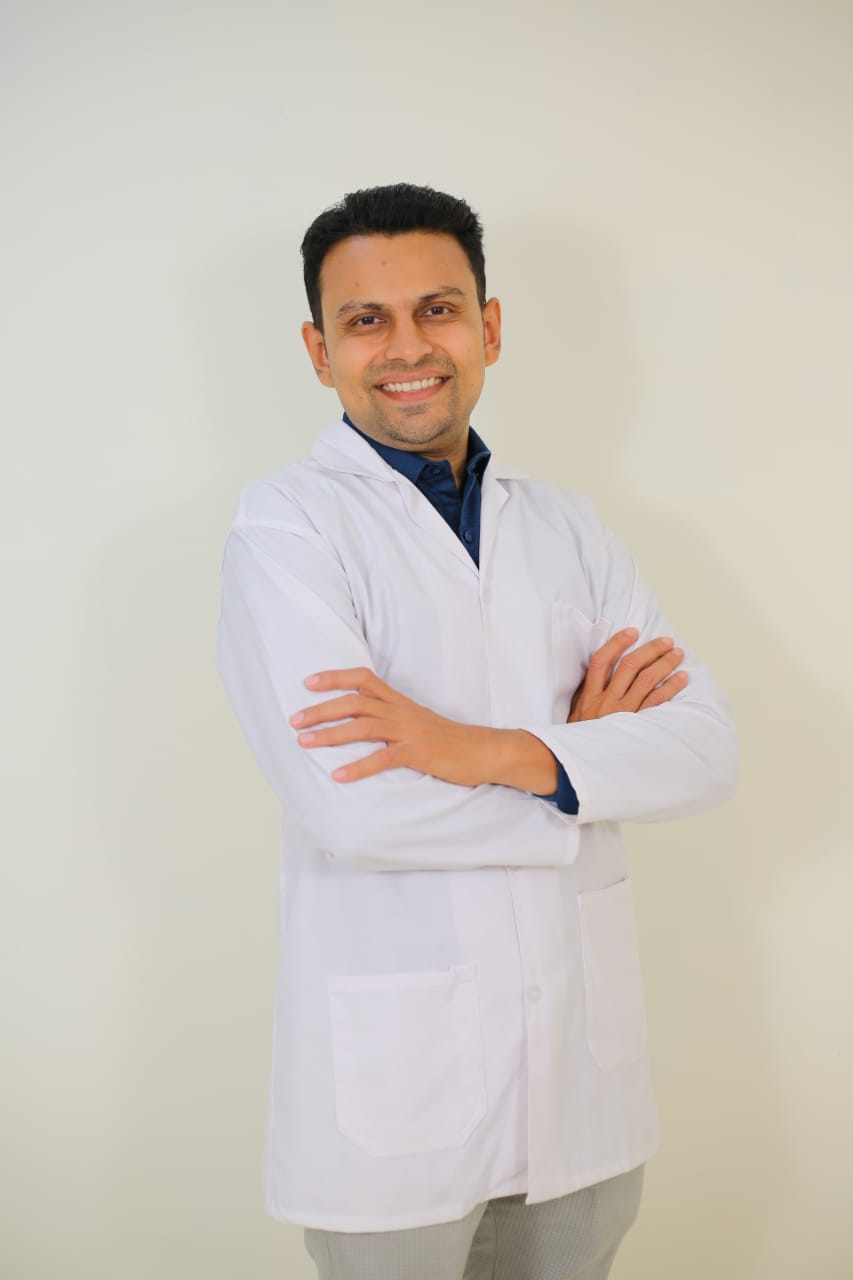
Written by Dr. Amit Bhatti, Interventional Neurologist
Stroke is one of the leading causes of disability and death worldwide, yet many cases can be prevented or effectively treated if identified early. A stroke occurs when the blood supply to a part of the brain is interrupted or reduced, depriving brain tissue of oxygen and nutrients. Within minutes, brain cells begin to die, which is why immediate medical attention is critical.
Dr. Amit Bhatti mentions that stroke is a medical emergency where every minute counts. “When a stroke occurs, nearly two million brain cells can die every minute if blood flow is not restored. Early recognition and immediate treatment can significantly reduce the risk of permanent disability.”
Types of Stroke
There are mainly two types of stroke. The most common type is ischemic stroke, which occurs when a blood clot blocks a blood vessel supplying the brain. The second type is hemorrhagic stroke, which happens when a blood vessel in the brain ruptures and causes bleeding in the surrounding brain tissues. Both conditions require urgent medical care and specialized treatment.
According to Dr. Amit Bhatti, timely diagnosis and intervention can help doctors restore blood circulation to the brain and prevent further damage. Modern treatments such as clot‑dissolving medications and minimally invasive neuro‑interventional procedures have significantly improved stroke survival and recovery rates.
Recognizing the Warning Signs
One of the biggest challenges in stroke care is delayed recognition of symptoms. Many people fail to identify the early warning signs and lose precious treatment time.
Doctors often use the FAST method to identify stroke symptoms quickly:
F – Face drooping: One side of the face appears uneven or numb.
A – Arm weakness: Difficulty lifting or holding one arm.
S – Speech difficulty: Slurred or unclear speech.
T – Time to seek medical help: Immediate medical attention is crucial.
Other symptoms may include sudden dizziness, severe headache, confusion, difficulty seeing, or loss of balance. If any of these signs appear suddenly, immediate medical evaluation is essential.
Risk Factors That Should Not Be Ignored
Stroke can affect people of all age groups, but certain medical conditions increase the risk. High blood pressure remains the most significant risk factor. Diabetes, high cholesterol, smoking, obesity, sedentary lifestyle, and heart disease also increase the chances of stroke.
Dr. Amit Bhatti mentions that managing these risk factors through regular health check-ups, medication, and lifestyle changes can dramatically lower the risk of stroke. Preventive care and awareness play a key role in reducing the burden of this condition.
Importance of Early Treatment
Advancements in medical science have transformed stroke treatment in recent years. Interventional neurology allows specialists to remove blood clots from brain arteries using catheter-based procedures known as mechanical thrombectomy. When performed within the critical time window, these procedures can restore blood flow and significantly improve recovery outcomes.
Early rehabilitation after stroke is equally important. Physiotherapy, speech therapy, and occupational therapy help patients regain independence and improve their quality of life.
Dedicated Stroke Care in Nagpur
To enhance stroke awareness and provide specialized treatment to patients, Wockhardt Hospitals Nagpur is launching a dedicated Stroke Clinic on the 20th at Wockhardt Hospitals Nagpur.
The clinic will operate every Friday from 11:00 AM to 4:00 PM, where patients can consult experts for stroke prevention, early diagnosis, advanced treatment options, and post-stroke care guidance.
Dr. Saurabh Nagar, Center Head of Wockhardt Hospitals Nagpur, says:
“At Wockhardt Hospitals Nagpur, our goal is to strengthen specialized neurological care and ensure that patients receive timely diagnosis and advanced treatment. The launch of the Stroke Clinic is a step toward improving awareness, early intervention, and comprehensive stroke management for the community.”
Prevention is the Best Protection
Although stroke can be life-threatening, many cases are preventable. Maintaining a healthy lifestyle plays a crucial role in reducing risk. Regular exercise, balanced nutrition, controlling blood pressure and blood sugar levels, quitting smoking, and routine medical check-ups can significantly reduce the chances of stroke.
As Dr. Amit Bhatti emphasizes, awareness is the first step toward prevention. Recognizing symptoms early and seeking timely medical help can save lives and prevent long-term disability.